

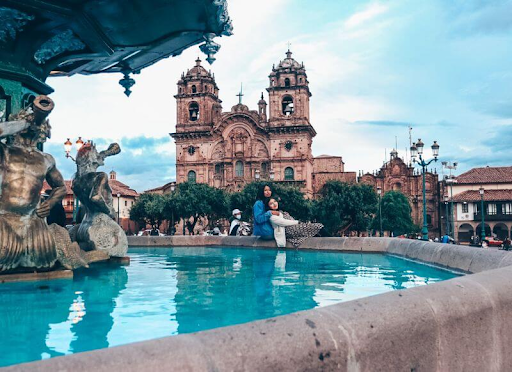
A city tour of Cusco is the perfect introduction to one of South America’s most fascinating destinations. As the former capital of the Inca Empire and a UNESCO World Heritage Site, Cusco offers a unique blend of ancient history, colonial architecture, living traditions, and vibrant urban life. A guided city tour allows visitors to understand the city’s cultural depth, explore its most important landmarks, and gain valuable context before venturing to nearby attractions such as the Sacred Valley or Machu Picchu.
Why Choose a City Tour Cusco?
Cusco is a city layered with history. Inca foundations, Spanish colonial buildings, and modern Andean culture coexist within its narrow streets and lively plazas. While it is possible to explore independently, a city tour Cusco provides expert insights that bring the city’s story to life.
Professional guides explain the significance of archaeological sites, religious monuments, and cultural symbols, helping travelers appreciate details that might otherwise go unnoticed. A city tour also offers a structured and efficient way to see Cusco’s highlights, especially for visitors with limited time.
The Historical Importance of Cusco
Cusco was once the political, religious, and cultural center of Tawantinsuyo, the vast Inca Empire that extended across much of western South America. The Incas considered Cusco the “navel of the world,” believing it to be the center from which their civilization radiated.
After the Spanish conquest in the 16th century, colonial structures were built atop Inca foundations, creating a distinctive architectural fusion. This blending of cultures is one of the defining features explored during a city tour Cusco and remains visible throughout the historic center.
Main Highlights of a City Tour Cusco
Plaza de Armas
Most city tours begin at Cusco’s Plaza de Armas, the city’s main square and historical heart. Once the ceremonial center of the Inca capital, the plaza is now surrounded by colonial arcades, churches, and lively cafés. It serves as an ideal starting point for understanding Cusco’s transformation over centuries.
Cusco Cathedral
Located on the Plaza de Armas, Cusco Cathedral is one of the most important colonial-era buildings in Peru. Inside, visitors can admire religious art from the Cusco School of Painting, which blends European techniques with indigenous symbolism. The cathedral’s construction atop Inca stone foundations highlights the city’s layered history.
Qorikancha (Temple of the Sun)
Qorikancha was the most sacred temple in the Inca Empire, dedicated to the sun god Inti. Its perfectly crafted stone walls once supported structures covered in gold. Today, the colonial Convent of Santo Domingo stands above the original Inca foundation, making Qorikancha a powerful symbol of cultural convergence.
Sacsayhuamán
Located on a hill overlooking Cusco, Sacsayhuamán is an impressive Inca fortress known for its massive stone walls. The precision with which these enormous stones were cut and assembled continues to astonish archaeologists. From this site, visitors enjoy panoramic views of Cusco while learning about Inca military and ceremonial practices.
Qenqo, Puka Pukara, and Tambomachay
Many city tours Cusco include visits to nearby archaeological sites. Qenqo is believed to have served ritual purposes, while Puka Pukara functioned as a military checkpoint. Tambomachay, known for its water channels and fountains, highlights the Inca’s advanced hydraulic engineering and spiritual connection to water.
Cultural Insights During a City Tour Cusco
Beyond monuments and ruins, a city tour Cusco offers valuable insight into living Andean culture. Guides often explain traditional customs, festivals, and the continued use of the Quechua language. Visitors learn about indigenous beliefs such as Pachamama (Mother Earth) and the importance of harmony with nature.
Local markets and artisan neighborhoods may also be included, showcasing traditional textiles, ceramics, and handicrafts. These experiences provide a deeper understanding of Cusco as a living city rather than a static historical site.
Architecture: Where Inca and Colonial Worlds Meet
One of the most fascinating aspects of a city tour Cusco is observing how Inca and Spanish architectural styles coexist. Inca walls made of precisely cut stone form the base of many colonial buildings. Streets such as Hatun Rumiyoc, home to the famous Twelve-Angle Stone, demonstrate the Inca mastery of stone masonry.
Colonial balconies, churches, and courtyards add another layer of visual richness. This architectural dialogue between two civilizations is central to Cusco’s identity and a key focus of any city tour.
Best Time to Take a City Tour Cusco
Cusco can be visited year-round, but the dry season from May to September is considered the best time for a city tour Cusco. During these months, weather conditions are more stable, and walking tours are more comfortable.
The rainy season, from November to March, brings fewer tourists and greener landscapes, though occasional rain showers may affect schedules. Regardless of the season, visitors should plan time to acclimatize to the city’s high altitude.
Practical Tips for a City Tour Cusco
To fully enjoy a city tour Cusco, preparation is important. Travelers should consider the following tips:
- Wear comfortable walking shoes
- Dress in layers due to changing temperatures
- Use sun protection, as UV exposure is strong at high altitude
- Stay hydrated and pace yourself
- Carry a light jacket or rain protection
Most city tours last between half a day and a full day, making them an ideal introduction to Cusco before exploring the surrounding region.
Who Is a City Tour Cusco Ideal For?
A city tour Cusco is suitable for a wide range of travelers, including:
- First-time visitors seeking historical context
- Culture and history enthusiasts
- Travelers acclimatizing before high-altitude treks
- Families and small groups
- Visitors with limited time
The combination of accessibility, education, and cultural immersion makes it one of the most popular activities in the city.
The Value of Guided Exploration
While Cusco is easy to navigate, the value of a guided city tour lies in storytelling and interpretation. Professional guides provide historical accuracy, cultural sensitivity, and local perspectives that transform sightseeing into meaningful learning. This guided experience enriches every subsequent visit to nearby archaeological sites and landscapes.
Conclusion
A city tour Cusco is an essential experience for anyone visiting the former capital of the Inca Empire. By combining archaeological wonders, colonial landmarks, and living cultural traditions, the tour offers a comprehensive understanding of Cusco’s past and present. More than just a sightseeing activity, a city tour reveals the soul of the city—where ancient stone walls, vibrant traditions, and modern life coexist in remarkable harmony. For travelers seeking a deeper connection to Peru’s history and culture, a city tour Cusco is the perfect place to begin.
