





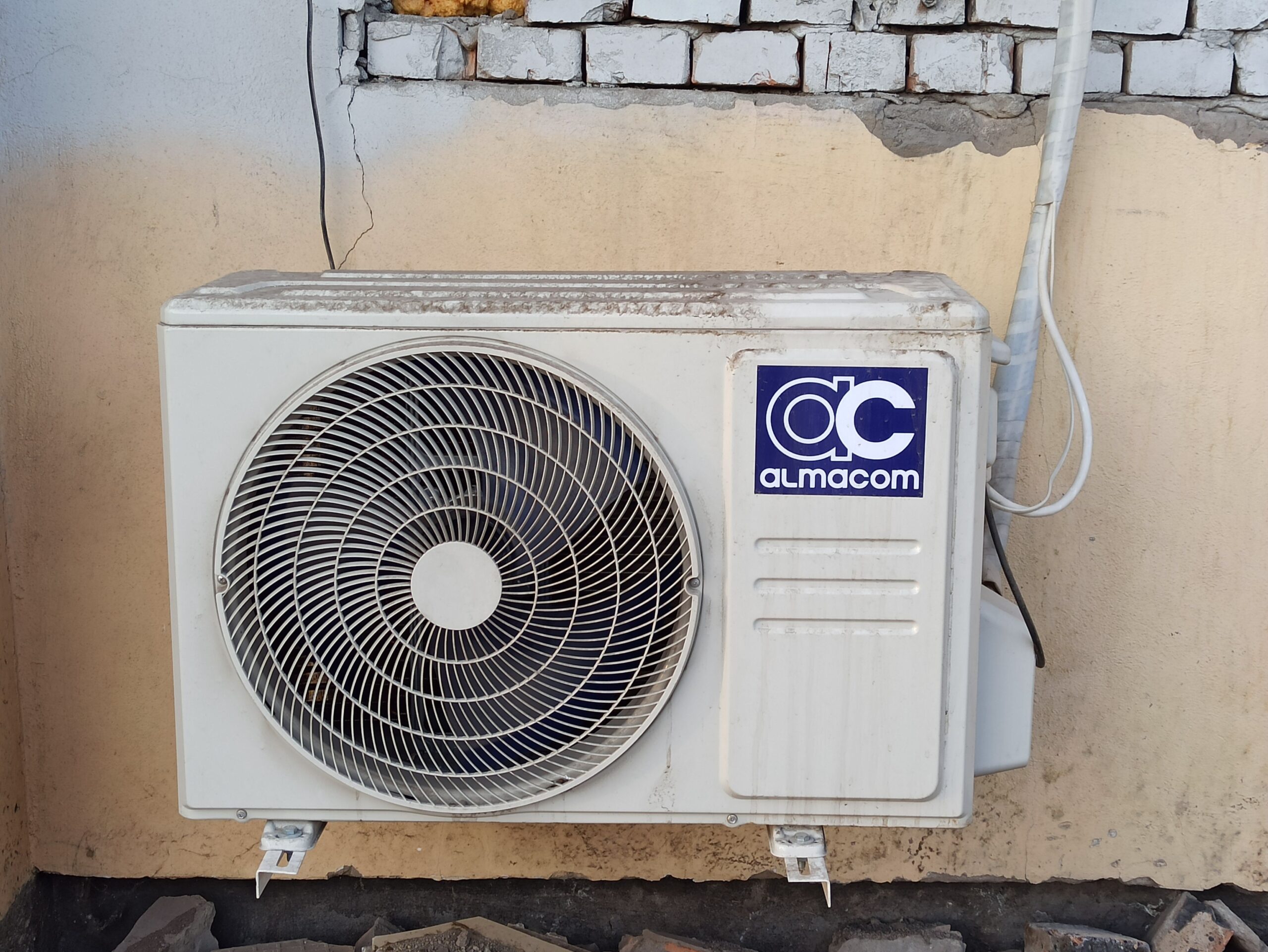
Installing a new air conditioner is a major home improvement project that can affect your comfort, energy efficiency and utility costs for years to come. While many homeowners enjoy tackling DIY projects around the house, air conditioner installation is one task that requires careful consideration. Modern HVAC systems involve electrical wiring, refrigerant lines, airflow calculations and precise installation techniques that go far beyond simply placing a unit in position.
Although doing the work yourself may seem like a way to save money, professional installation often provides benefits that extend well beyond the day the system is installed. Understanding the differences between professional installation and a DIY approach can help homeowners make a more informed decision.
Proper System Sizing
One of the biggest differences between professional and DIY installation is choosing the correct air conditioner size.
A professional HVAC technician performs calculations based on factors such as the home’s square footage, insulation, ceiling height, number of windows and local climate. This process helps determine the cooling capacity needed for the property.
With a DIY installation, homeowners may simply replace the existing unit with one of the same size or select equipment based only on square footage. Unfortunately, that approach doesn’t always account for changes made to the home over the years or other important factors.
An oversized unit may cool the house too quickly without removing enough humidity, while an undersized system may struggle to keep up during hot weather.
Installation Accuracy
Installing an air conditioner involves much more than connecting a few components.
Professional installers carefully position both the indoor and outdoor units, connect refrigerant lines, verify electrical connections, inspect drainage systems and ensure proper airflow throughout the system.
Even small installation mistakes can affect efficiency and long-term performance. Improper leveling, loose electrical connections or incorrectly installed refrigerant lines may contribute to future operating problems.
Experienced technicians follow manufacturer guidelines to help ensure every part of the installation is completed correctly.
Safety Considerations
Air conditioning systems combine electricity, mechanical components and refrigerants, all of which require careful handling.
DIY installation increases the possibility of electrical hazards, equipment damage or personal injury if proper procedures are not followed.
Professionals receive training on safe installation practices and understand how to work with HVAC systems while reducing potential risks.
Choosing professional installation can provide greater confidence that safety standards have been followed throughout the project.
Performance After Installation
An air conditioner that is installed correctly is more likely to deliver consistent cooling throughout the home.
Professional installers test the system after installation to verify that it is operating as intended. They check airflow, thermostat communication, electrical performance and overall system operation before considering the job complete.
With a DIY installation, identifying hidden problems may be more difficult because specialized testing equipment is often unavailable.
Even if the system appears to function normally at first, improper installation may affect performance over time.
Energy Efficiency
Energy efficiency depends on more than the equipment itself.
A high-efficiency air conditioner may not perform as expected if it is installed incorrectly. Air leaks, poor airflow or incorrect refrigerant levels can all reduce efficiency and increase operating costs.
Professional installation helps ensure the system operates according to the manufacturer’s design, allowing homeowners to benefit from the equipment’s intended efficiency.
This may contribute to lower energy consumption throughout the life of the system.
Warranty Protection
Many manufacturers provide warranties for their equipment, but those warranties often include installation requirements.
Some warranties may require installation by qualified professionals or specify that installation follows manufacturer guidelines. Attempting a DIY installation without understanding these requirements could affect future warranty coverage.
Before beginning any installation project, homeowners should carefully review the warranty information provided with the equipment.
Time and Convenience
Installing an air conditioner is often more time-consuming than many homeowners expect.
In addition to the physical installation, the process may involve electrical work, system testing, adjustments and cleanup.
Professional installers complete these tasks regularly and are familiar with the sequence required to install the system efficiently.
DIY projects, on the other hand, may take significantly longer as homeowners research procedures, purchase tools and troubleshoot unexpected challenges.
Long-Term Reliability
A professionally installed system is more likely to perform reliably over time because every component has been carefully inspected during installation.
Technicians can also identify potential concerns before they become future problems, such as ductwork issues, airflow restrictions or thermostat compatibility.
DIY installations may overlook these related factors, focusing only on connecting the equipment rather than evaluating the complete HVAC system.
Paying attention to the entire system can contribute to better long-term performance.
Knowing When to Ask Questions
Whether you choose professional installation or simply want to better understand your air conditioning system, asking questions is always worthwhile.
Learning about maintenance schedules, filter replacement and proper thermostat settings can help you care for the system after installation is complete.
If you need more info, consult the equipment manufacturer’s documentation or speak with a qualified HVAC professional who can explain recommendations specific to your home’s system.
The more you understand about your air conditioner, the easier it becomes to keep it operating efficiently.
Which Option Is Right for Most Homeowners?
While DIY projects can be rewarding in many areas of home improvement, air conditioner installation presents challenges that require specialized knowledge and technical expertise.
Professionals bring experience, proper tools and an understanding of building codes, electrical systems and HVAC design. They also verify that the equipment operates correctly before the installation is complete.
Homeowners, meanwhile, can focus on maintaining the system after installation by replacing filters, keeping the outdoor unit clean and scheduling routine inspections.
Professional Installation Offers Long-Term Value
The difference between professional air conditioner installation and a DIY approach extends far beyond the installation day itself. Proper sizing, accurate installation, safety, energy efficiency and long-term reliability all play important roles in how well the system performs over the years.
Although installing an air conditioner yourself may appear to reduce upfront costs, mistakes during installation can lead to reduced efficiency, higher utility bills and unnecessary repairs later on. Choosing professional installation helps ensure the system is set up correctly from the beginning, giving homeowners greater confidence that their investment will provide dependable comfort for many seasons to come.

