

Introduction
Choosing between different keyboard layouts can significantly impact comfort, productivity, and overall typing experience. The debate around the Compact vs Full-Size wireless mechanical keyboard: Pros and Cons has become increasingly relevant as more users shift to wireless setups for work, gaming, and everyday use. Each form factor offers unique advantages and trade-offs depending on your needs and workspace.
In this article, we’ll break down both keyboard types in detail to help you decide which one best suits your setup and lifestyle.
What Is a Compact Wireless Mechanical Keyboard?
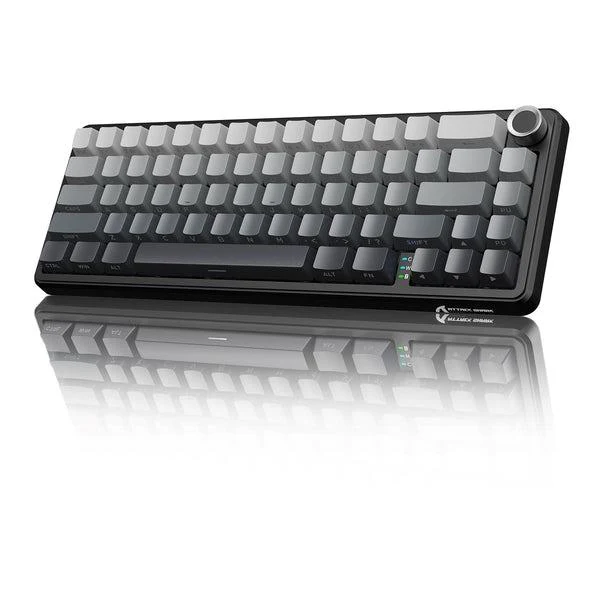
Compact keyboards typically refer to 60%, 65%, or 75% layouts that remove or shrink certain key clusters like the number pad, function row, or navigation keys.
Advantages of Compact Keyboards
Compact models are designed for minimalism and portability:
- Space-saving design: Ideal for small desks or tight setups
- Better mouse movement: More room for gaming or mouse-intensive work
- Portable: Easy to carry for travel or hybrid work
- Cleaner aesthetics: Popular in modern minimalist desk setups
Disadvantages of Compact Keyboards
However, they come with trade-offs:
- Missing dedicated keys: Requires layer shortcuts for function keys or navigation
- Learning curve: Takes time to adjust if you’re used to full-size layouts
- Less ideal for data entry: Not suitable for heavy spreadsheet users
What Is a Full-Size Wireless Mechanical Keyboard?
Full-size keyboards include all standard key groups: function row, navigation cluster, arrow keys, and a numeric keypad.
Advantages of Full-Size Keyboards
These keyboards prioritize functionality and familiarity:
- Complete layout: No missing keys or shortcuts needed
- Best for productivity: Excellent for accounting, data entry, and office tasks
- Familiar experience: Easy transition for most users
- Dedicated numpad: Essential for numeric-heavy workflows
Disadvantages of Full-Size Keyboards
Despite their usefulness, they also have downsides:
- Takes up more desk space: Less room for mouse movement
- Less portable: Bulky and harder to carry
- Heavier setup: Not ideal for minimal or mobile workstations
Compact vs Full-Size Wireless Mechanical Keyboard: Pros and Cons in Real Use
When comparing the Compact vs Full-Size Wireless Mechanical Keyboard: Pros and Cons, the decision often comes down to usage patterns rather than aesthetics alone.
- If you prioritize gaming, portability, or minimal desk setups, compact keyboards offer better ergonomics and flexibility.
- If your work involves numbers, spreadsheets, or frequent use of function keys, full-size keyboards remain the more practical choice.
Wireless connectivity further enhances both types, but battery life and latency can vary depending on build quality and brand.
Which One Should You Choose?
Your ideal keyboard depends on your workflow:
- Choose compact keyboards if you want a clean desk setup, travel frequently, or prefer a more ergonomic mouse positioning.
- Choose full-size keyboards if you need efficiency in professional environments or rely heavily on a numeric keypad.
There is no universally better option—only the one that fits your daily habits.
Final Thoughts
Ultimately, the Compact vs Full-Size Wireless Mechanical Keyboard: Pros and Cons discussion highlights a simple truth: both layouts serve different types of users. Compact keyboards focus on efficiency and space-saving design, while full-size keyboards prioritize functionality and completeness.
