




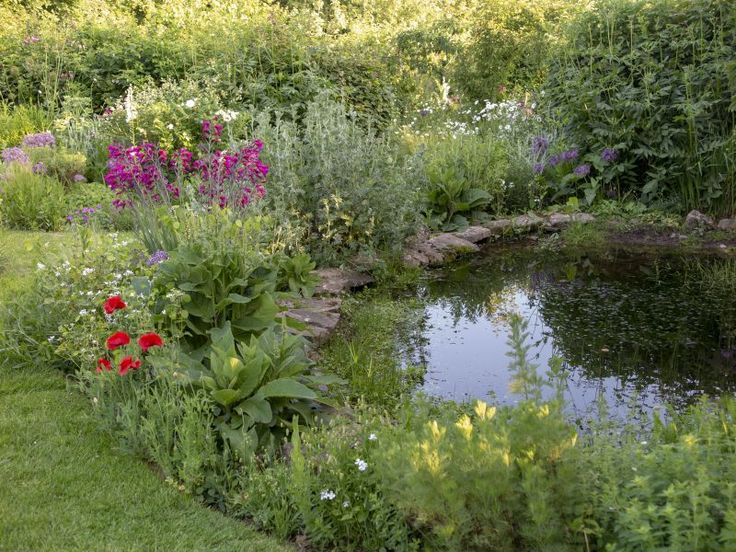
Chemical algaecides might provide a quick fix for green water, but they often leave behind toxic build-up that harms aquatic life. The cleanest, most sustainable way to keep a pond crystal-clear is through plant-based nutrient management. By strategically utilizing pond plants as a biological filter, you can starve out algae and create a resilient, natural ecosystem.
               [ SUNLIGHT ]
                    │
                    ▼
          ┌───────────────────┐
          │  WATER LILIES &   │  ---> Blocks sunlight from reaching
          │  FLOATING PLANTS  │       algae in deeper water.
          └─────────┬─────────┘
                    │
                    ▼
          ┌───────────────────┐
          │ MARGINAL PLANTS & │  ---> Absorbs excess Nitrates & Phosphates
          │   OXYGENATORS     │       (algae's main food source).
          └───────────────────┘
The Biology of Natural Filtration
Algae blooms occur when two conditions are met: excess sunlight and high nutrient levels (primarily nitrates and phosphates from fish waste and decaying leaves). Aquatic plants rely on the exact same resources to survive. By introducing fast-growing, heavy-feeding pond plants, you force algae into starvation.
The Best Anti-Algae Pond Plants
-
Hornwort (Ceratophyllum demersum): This submerged plant releases natural compounds that suppress algae growth (a process known as allelopathy) while stripping nutrients from the water faster than string algae can absorb them.
-
Water Hyacinth (Eichhornia crassipes): Recognized globally for its biological filtration capacity. Its feathery, dark root system suspended beneath the surface acts like a net, sucking up ammonia and nitrates. (Note: Check local regulations, as water hyacinth is controlled in warmer zones due to invasiveness.)
-
Pickerel Weed (Pontederia cordata): An emergent marginal plant whose thick root mass sequesters excess nutrients locked in the bottom sludge.
Maintenance Strategy
To keep your green filtration system working at peak performance, prune decaying leaves promptly. If dead plant matter breaks down inside the pond, it releases stored nutrients back into the water, fueling the next algae spike.

