

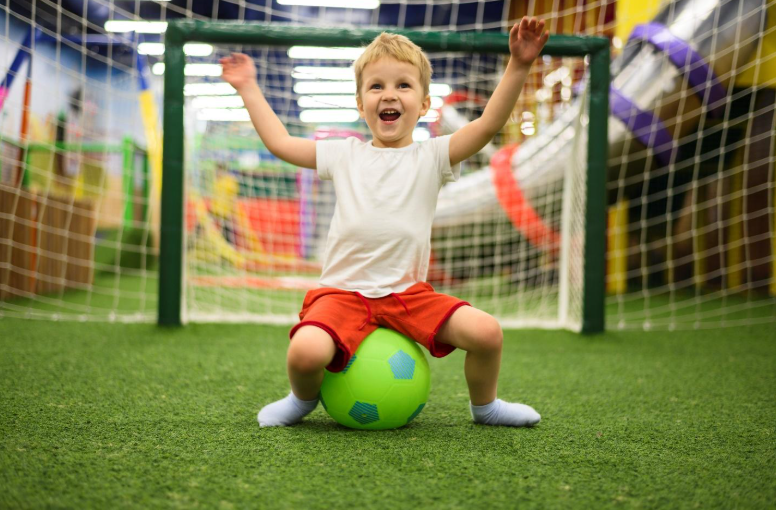
A playground with artificial turf is a play area that uses synthetic grass as its primary ground surface instead of natural grass, sand, wood chips, or loose rubber mulch. Unlike lawn turf, playground turf is installed over a specialized foam or rubber shock-absorbing pad, such as an ASTM-certified sub-pad, to cushion falls from playground equipment.
The system sits on a concrete, stone, gravel, or crushed-rock sub-base that allows rainwater to drain quickly without turning into mud. If you have been searching for a landscape maintenance guide for a playground with artificial turf, you are in the right place. Keep reading to learn more about maintaining artificial turf.
Routine Cleaning and Debris Removal
An artificial-turf playground is different from your other lawns and gardens and requires different landscape maintenance. With routine cleaning and care, your artificial-turf playground will perform well and last for years. Maintain weekly cleaning routines by clearing leaves, branches, trash, and organic matter with a leaf blower, a pass-through tine, or a soft broom or brush.
However, use a low-pressure washer to remove dirt, pollen, and light debris. Avoid high-pressure water, which can damage loosened seams. Additionally, clean food and drink messes immediately with mild, child-safe dish soap and water, then use it for sticky or stubborn spots. You can use a 50-50 mix of water and white vinegar for these spots.
Fiber Grooming and Infill Care
Another effective way to maintain your artificial turf is to groom the fibers and infill carefully. As we have already stated, it is not traditional grass or a lawn and does not require daily cleaning. Use a stiff-bristled broom, a nylon push broom, or a power broom to lift flattened fibers. Always brush the turf to prevent matting in high-traffic areas, such as swings and slide exits.
Furthermore, check that the infill level remains level when using a drip spreader. Keep about half to three quarts on each turf fiber, with the excess above the infill, to maintain proper fall-impact safety. Add sand or rubber infill if levels drop due to heavy use or weather.
Perimeter and Safety Checks
For optimal performance of the playground with artificial turf, regularly inspect safety and the perimeter. For example, pull weeds around the edge before their roots penetrate the substrate, and apply non-toxic repellents near the perimeter if pests tunnel beneath.
Inspect transitions, nails, and landscape slabs monthly to ensure edges are not lifting or posing a trip hazard. Lastly, check low points after heavy rain or hosing to confirm that water drains quickly without pooling.
Seasonal and Special Precautions
Following seasonal and special precautions can help you keep using the turf for years to come. However, in summer, hose down the turf to cool the synthetic surface, and in winter, let snow and ice melt naturally.
Remember, don’t use metal shovels or chemical de-icers in winter, as they can rip through turf fibers. Additionally, sharp metal tools, heavy, unpadded equipment, bleach, and harsh solvents can damage the surface.
Bottom Line
A playground with artificial turf is one of the best choices when you have growing kids and want to give them something natural and more environmentally friendly. However, by following the above-mentioned guide, including routine cleaning and debris removal, fiber grooming and infill care, perimeter and safety checks, and seasonal and special precautions, you can help keep it usable for years to come.
