




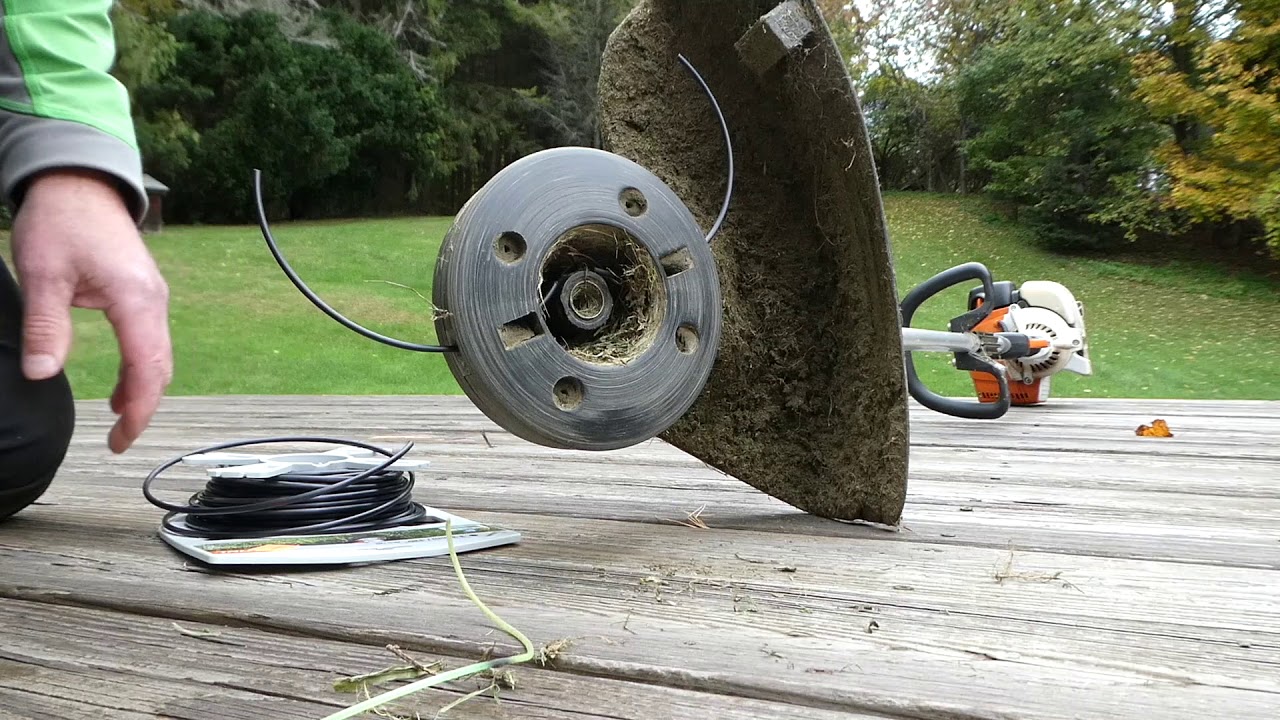
Keeping your outdoor tools in top shape ensures they last longer and perform better. A Seasonal Maintenance Checklist for Your gas weed wacker is essential if you want reliable performance throughout the year. Whether you use it for light trimming or heavy-duty yard work, regular upkeep prevents breakdowns and improves efficiency.
Below is a complete guide to help you maintain your equipment in every season.
Why Seasonal Maintenance Matters
A gas-powered weed wacker is exposed to dust, moisture, fuel residue, and heavy vibration during use. Without proper care, these factors can lead to starting issues, reduced power, and costly repairs.
Following a Seasonal Maintenance Checklist for Your Gas Weed Wacker helps you:
- Extend the lifespan of your machine
- Improve fuel efficiency
- Prevent engine damage
- Maintain consistent cutting performance
Spring Preparation Checklist
Spring is the most important time to prepare your tool for active use. After months of storage, your weed wacker needs a thorough inspection.
Inspect the Engine and Fuel System
Check for old fuel, leaks, or clogged lines. Replace stale fuel with fresh gasoline and oil mix recommended by the manufacturer.
Clean or Replace the Air Filter
A dirty air filter reduces engine performance. Clean it gently or replace it if worn out.
Check the Spark Plug
Remove the spark plug and inspect it for carbon buildup. Replace it if necessary to ensure easy starting.
This part of the Seasonal Maintenance Checklist for Your Gas Weed Wacker ensures your tool is ready for heavy spring growth.
Summer Maintenance Routine
Summer is peak trimming season, so your weed wacker works harder than usual.
Clean After Each Use
Grass, dirt, and sap can accumulate around the cutting head. Clean it after every session to avoid buildup.
Monitor Fuel Consumption
Keep an eye on fuel efficiency. If the engine starts consuming more fuel than usual, it may need tuning.
Check Cutting Line or Blade
Replace worn or frayed trimming lines regularly for consistent cutting power.
Sticking to the Seasonal Maintenance Checklist for Your Gas Weed Wacker during summer keeps performance smooth during long mowing sessions.
Fall Maintenance Steps
Fall is when your lawn care begins to slow down, making it the perfect time for deeper maintenance.
Inspect the Fuel Tank
Drain any remaining fuel if the tool will not be used for a long period. This prevents clogging in the carburetor.
Tighten Loose Parts
Vibrations from summer use may loosen screws and bolts. Tighten everything before storage.
Lubricate Moving Parts
Apply light lubrication to shafts and joints to prevent rust and corrosion.
Following the Seasonal Maintenance Checklist for Your Gas Weed Wacker in fall helps prepare your tool for winter storage.
Winter Storage Preparation
Proper storage during winter ensures your weed wacker starts easily in spring.
Empty the Fuel System
Always empty the fuel tank and run the engine until it stops to clear remaining fuel.
Store in a Dry Place
Keep the tool in a cool, dry environment away from moisture and freezing temperatures.
Cover the Equipment
Use a protective cover to prevent dust buildup and rust formation.
This final step in the Seasonal Maintenance Checklist for Your Gas Weed Wacker protects your investment during the off-season.
Final Thoughts
Regular maintenance is the key to keeping your equipment reliable and long-lasting. By following a structured Seasonal Maintenance Checklist for Your Gas Weed Wacker, you reduce repair costs, improve performance, and ensure your tool is always ready when you need it.

