

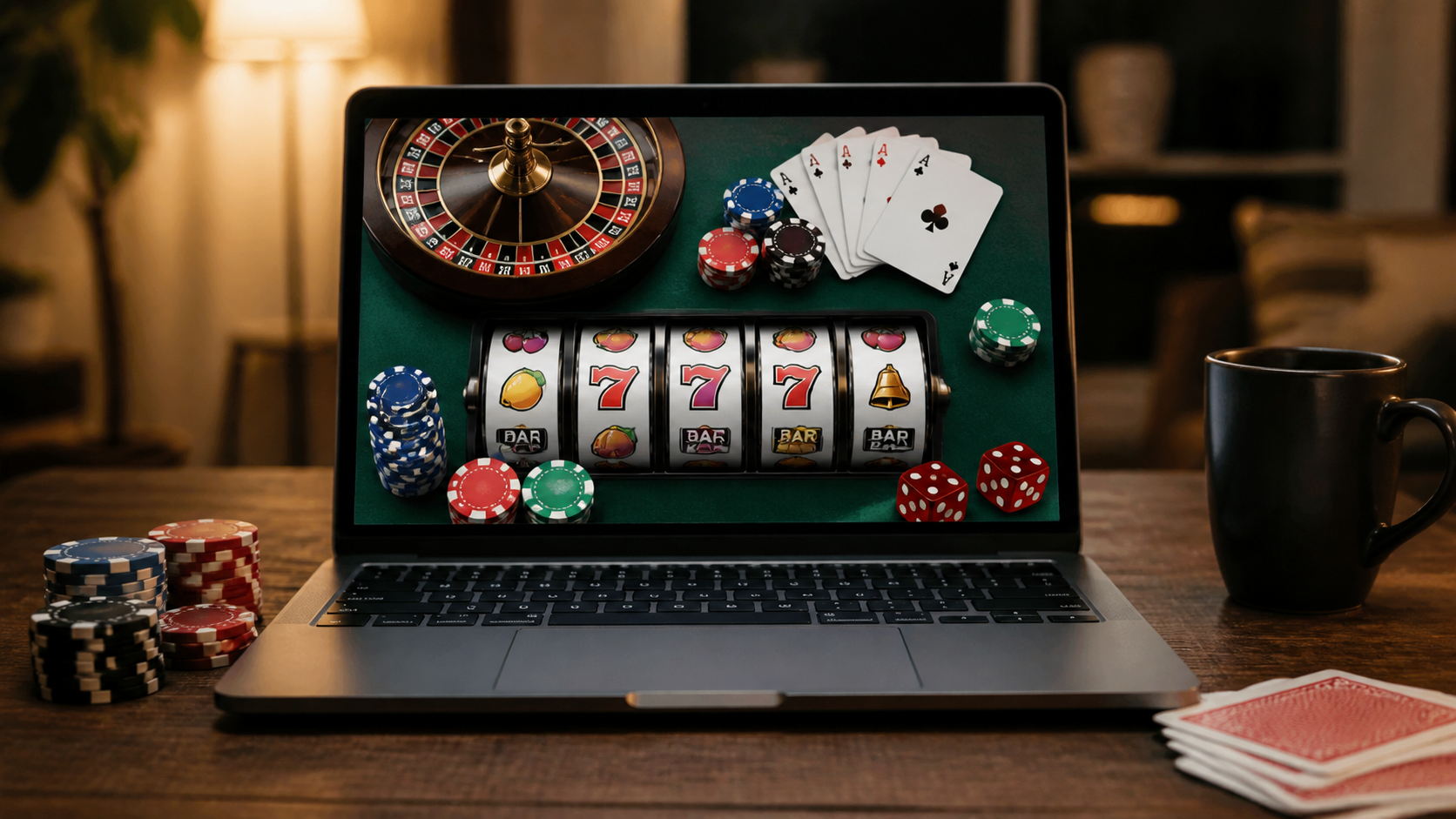
Playing games of chance and skill has moved far beyond a single physical venue, and that shift has changed how many people approach entertainment, pacing, and decision-making. An online casino offers convenience, variety, and quick access, but those same qualities also make it worth understanding the environment before you start. A clear view of game selection, rules, spending habits, and platform quality can make the experience feel more controlled and more enjoyable.
For many players, the appeal is not just the games themselves but the ease of moving between them, comparing formats, and setting a rhythm that suits personal preferences. At the same time, it helps to treat the experience as entertainment rather than a shortcut to results. That perspective makes it easier to choose games thoughtfully, manage time well, and avoid common mistakes that can take the fun out of the experience.
How an Online Casino Changes the Player Experience
The biggest difference between digital play and a traditional venue is the amount of control the player has over timing and access. Instead of planning a trip around a location, you can open a platform and choose from a range of games within minutes. That convenience is part of the attraction, but it also means players should be more deliberate about how they engage with the environment.
Game variety is another major factor. A well-structured platform usually brings together card games, spinning reel titles, table games, and live dealer formats in one place. This variety can be helpful for players who want to explore different styles, but it can also make it easy to jump from one game to another without much thought. A practical approach is to decide what kind of experience you want before you start, whether that means a slower table game, a fast-paced slot session, or a more interactive live format.
It also helps to recognize that digital play often encourages shorter attention spans. That can be useful if you want a few quick rounds, yet it can also make it easy to lose track of time. Setting a limit before you begin is a simple habit that supports a more balanced experience.
Choosing Games That Match Your Style
Not every game suits every player, and that is one of the most useful things to understand before spending time on a platform. Some games are built around luck, while others include more room for strategy, observation, or timing. If you enjoy making decisions and following a structure, table games may feel more satisfying. If you prefer a simpler format with quick outcomes, reel-based games may be a better fit.
Slots, tables, and live formats
Slots are often the easiest place to begin because the rules are simple and the pace is flexible. They are usually the least demanding in terms of decision-making, which makes them approachable for casual play. Table games, by contrast, often reward a better understanding of the rules and a steadier approach. Live dealer formats sit somewhere between those two experiences, adding a more social feel while still keeping the play digital.
When comparing these options, think about more than just the visual style. Consider how much focus you want to give, how long you plan to play, and whether you want a game that moves quickly or one that gives you more time to think. A game that feels exciting for ten minutes may feel very different over a longer session.
Reading the rules before you start
One of the easiest mistakes is entering a game without understanding how it works. Even games that look straightforward can have details that affect pacing and outcomes. Learning the basic rules first helps prevent confusion and makes the experience feel smoother. It also makes it easier to notice when a game does or does not fit your preferences.
If you are exploring a online casino, take a moment to compare the structure of each game rather than assuming every title behaves the same way. Small differences in rules, features, or pace can shape the whole session.
Spending Habits and Session Control
Entertainment works best when it stays within boundaries you are comfortable with. That is especially true in digital gaming, where the easy access can blur the line between a short session and a much longer one. A practical budget is not about restriction for its own sake; it is about preserving the enjoyment of the experience.
Before you start, decide what amount of time and money feels reasonable for the session. Some players find it useful to separate entertainment money from everyday expenses so the session has a clear limit. Others prefer to divide time into short blocks and step away once the block ends. Either method can work, provided it is used consistently.
- Set a budget before you begin and avoid changing it mid-session.
- Decide in advance how long you want to play.
- Take breaks to reset your attention.
- Avoid chasing losses or extending play because of frustration.
- Keep the focus on entertainment rather than expectation.
These habits are especially valuable because digital play can feel seamless. Without the natural pauses that come with moving around a venue, it is easy to keep clicking from one round to the next. A few simple limits can make the entire experience more comfortable and more intentional.
What Makes a Platform Worth Your Time
Quality matters, even when the main focus is entertainment. A platform that is clear, easy to navigate, and consistent in presentation tends to create a better experience than one that feels confusing or cluttered. The best starting point is not flashy design but basic usability: Can you find the games easily? Are the menus understandable? Does the interface make the session feel smooth rather than frustrating?
It is also wise to look for transparent information about gameplay, account steps, and support options. You do not need technical detail to make a smart choice; you only need enough clarity to feel comfortable using the platform. When information is hard to find, the experience often becomes harder than it needs to be.
Signs of a well-organized experience
A strong platform usually makes navigation feel straightforward. Games should be grouped in a way that makes sense, descriptions should be readable, and the main actions should be easy to identify. If you need several minutes just to figure out how to move around, that may be a sign that the platform is not especially user-friendly.
It also helps if the design supports focus. A clean layout can reduce distraction and make it easier to keep track of your choices. In a game setting, that kind of clarity is more useful than decorative excess.
Why support and information matter
Even casual players benefit from clear help sections and accessible guidance. Questions can come up about game rules, account access, or the basic flow of play, and quick answers make the experience less stressful. Good information does not guarantee a perfect session, but it does reduce avoidable confusion.
Responsible use is easier when the platform encourages it naturally. That might mean clear limits, plain language, or reminders that support thoughtful play. These features do not need to be dramatic to be useful; they just need to be easy to find and understand.
Making the Experience More Enjoyable Over Time
The most satisfying players are often the ones who treat the activity as a skillful form of entertainment rather than a random test of patience. That means paying attention to your preferences, your limits, and the moods that influence how you play. Some sessions are better kept short and light. Others may feel more engaging when you have time to settle in and focus. Knowing the difference can improve the overall experience.
Another helpful habit is to review what kinds of games you actually enjoy instead of simply following what looks exciting at first glance. A game that seems popular may not suit your style, while a quieter format may feel more satisfying in practice. The more you pay attention to your own reactions, the easier it becomes to make choices that fit your pace.
If you like structure, you might prefer games with clearer rules and slower decisions. If you like variety, you may enjoy moving between formats. If you are simply looking for a brief diversion, then quick, easy-to-understand games may be enough. There is no single right approach, only a better fit for the way you want to spend your time.
Conclusion: Playing with Awareness and Balance
An online casino can offer convenience, variety, and a flexible way to enjoy games, but the experience is better when approached with intention. Understanding the rules, choosing games that suit your style, and setting simple limits all help create a more comfortable session. Those habits keep the focus on entertainment, which is where the value of the experience really lies.
Whether you prefer fast-moving titles or more strategic formats, the key is to stay aware of how the session feels as it unfolds. A little preparation goes a long way. When you know what you want from the experience, it becomes easier to enjoy the games without letting the pace or the options take over.
