





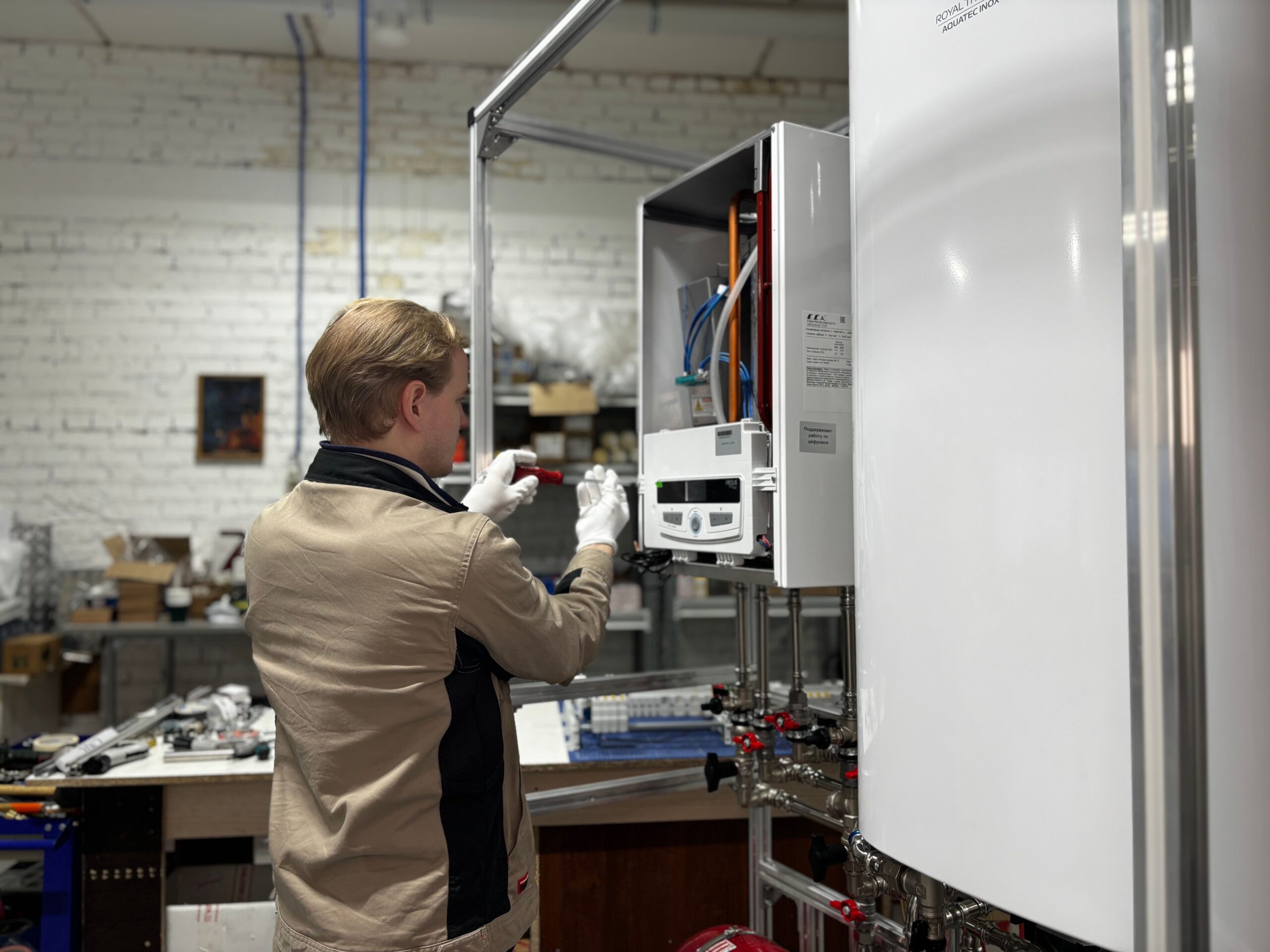
A boiler is one of the hardest-working systems in many homes, providing reliable heating and, in some cases, hot water throughout the year. Because it often operates quietly in the background, it’s easy to overlook small warning signs when something isn’t working as it should. Many homeowners wait until the boiler stops functioning completely before calling for repairs, but this approach can lead to greater inconvenience and potentially more extensive damage.
The best time to schedule a boiler repair is usually when the first signs of trouble appear—not after the system has completely failed. Addressing problems early can help restore efficient operation and reduce the risk of unexpected breakdowns. Here are several situations when it’s a good idea to have your boiler inspected by a qualified professional.
When Your Boiler Starts Making Unusual Noises
Boilers normally produce a low level of operating noise, but loud banging, whistling, gurgling or vibrating sounds are not considered normal.
These noises may result from trapped air, mineral buildup, low water pressure or worn internal components. While some issues are relatively minor, others may become more serious if left unresolved.
Instead of waiting to see if the sound disappears on its own, arrange for an inspection to determine the underlying cause.
When Heating Becomes Inconsistent
If some rooms remain comfortably warm while others stay noticeably cooler, your boiler may not be distributing heat as effectively as before.
Uneven heating can occur for several reasons, including circulation issues, thermostat problems or components that are no longer functioning properly.
A professional assessment can identify whether the issue is related to the boiler itself or another part of the heating system.
When Energy Bills Suddenly Increase
A boiler that isn’t operating efficiently often has to work harder to produce the same level of heat.
If your energy bills rise unexpectedly despite similar weather conditions and household habits, your heating system may deserve attention.
While many factors influence utility costs, declining boiler performance is one possibility that shouldn’t be overlooked.
Having the system inspected early may reveal issues affecting efficiency before they become larger repairs.
When You Notice Water Around the Boiler
Water leaking from or around the boiler should never be ignored.
Even a small amount of moisture may indicate worn seals, damaged valves, pressure-related issues or other mechanical concerns. Continued leakage can contribute to corrosion or water damage if left untreated.
Because the source of a leak is not always obvious, it’s best to have a qualified technician evaluate the system as soon as possible.
When the Boiler Frequently Turns On and Off
A boiler that repeatedly starts and stops within short periods may be experiencing what is commonly known as short cycling.
This pattern can reduce efficiency while placing additional wear on important components.
Several issues may contribute to short cycling, including thermostat problems, pressure concerns or restricted water circulation. Identifying the exact cause requires professional diagnosis.
Before the Cold Season Begins
One of the most practical times to schedule boiler service is before you rely on it every day.
Having the system inspected in late summer or early autumn allows technicians to identify developing issues before colder weather arrives. It also reduces the chance of discovering a problem during the busiest heating season, when service appointments may be in higher demand.
Preventive inspections help homeowners prepare their heating systems before temperatures begin to drop.
When Your Boiler Is Getting Older
Even well-maintained boilers experience wear over time.
As equipment ages, individual components may become less efficient or require replacement. Older systems don’t automatically need to be replaced, but they often benefit from more frequent inspections to ensure they continue operating safely and effectively.
If your boiler has been in service for many years, scheduling repairs promptly when small concerns appear may help extend its useful life.
If You Notice Changes in Water Pressure
Some boiler problems become noticeable through changes in system pressure.
Pressure that consistently drops below the recommended range or rises unexpectedly may indicate leaks, expansion vessel issues or other mechanical concerns.
Rather than repeatedly adjusting the pressure without understanding the cause, arrange for a professional inspection to determine why the changes are occurring.
When Hot Water Supply Becomes Unreliable
For combination boilers that also provide domestic hot water, inconsistent water temperatures may indicate that something isn’t functioning properly.
If hot water suddenly becomes lukewarm, takes longer to heat or fluctuates unexpectedly, the boiler may require servicing.
Although several household plumbing issues can produce similar symptoms, the heating system should be included in the evaluation.
Don’t Ignore Warning Lights or Error Codes
Many modern boilers include built-in diagnostic systems that display warning lights or error codes when a problem is detected.
Even if the boiler continues operating, these alerts are worth investigating.
The owner’s manual may explain what a particular code means, but repeated warnings or recurring faults should be assessed by a qualified technician rather than simply resetting the system.
Ignoring these alerts may allow a developing issue to become more significant over time.
Why Early Repairs Matter
Delaying boiler repairs can sometimes increase the likelihood of additional wear affecting other components.
For example, a small circulation issue may place extra strain on the pump, while reduced efficiency may cause the system to operate longer than necessary.
Addressing concerns early often allows technicians to identify the root cause before additional problems develop. It may also help maintain consistent heating performance throughout the colder months.
Keep Your Heating System Reliable
A boiler plays an important role in maintaining a comfortable home, particularly during the heating season. While it’s easy to postpone repairs when the system is still operating, early warning signs should not be ignored.
Unusual noises, water leaks, inconsistent heating, rising energy bills and changing pressure are all signals that professional attention may be needed. Scheduling repairs when these symptoms first appear can help prevent unexpected breakdowns and support the long-term performance of your heating system.
Rather than waiting until your boiler stops working on the coldest day of the year, taking action at the first sign of trouble can help keep your home warm, comfortable and ready for whatever the season brings.

